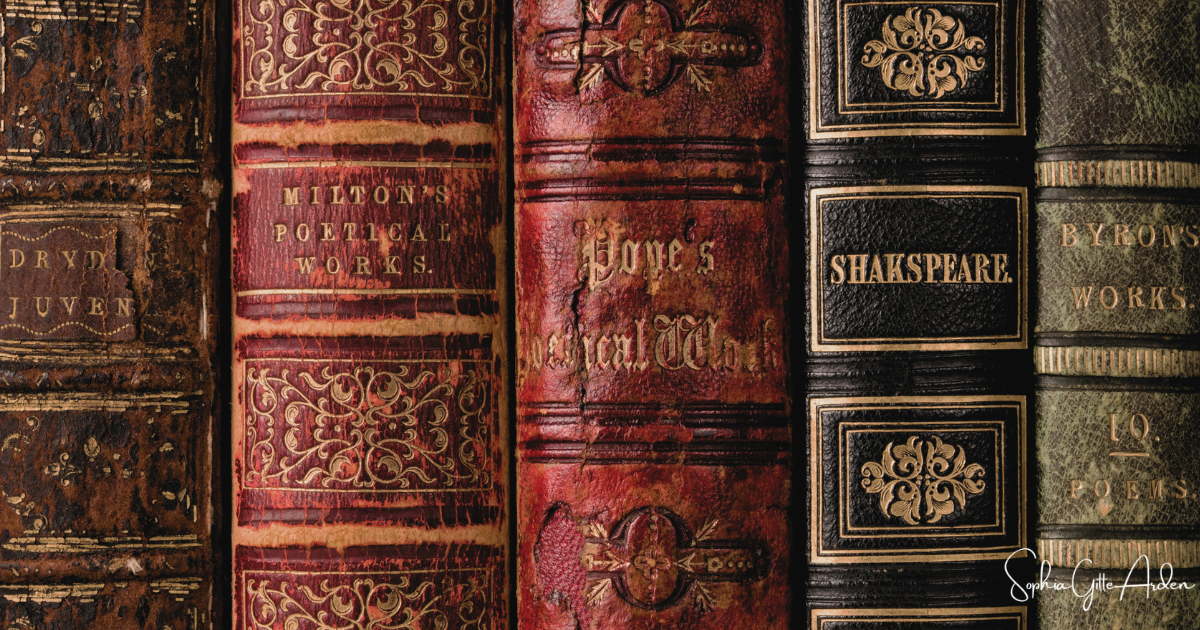

Most books fade from memory within weeks. Others stay with us for years, shaping the way we think, feel, and understand the world. Why does fiction have that power?
There is a particular feeling that arrives at the end of a remarkable book. You close the final page. You sit quietly for a moment. And something feels different. Not dramatically. Not in a way you could easily explain. The room remains the same. Your life remains the same. The responsibilities waiting for you tomorrow remain the same. And yet, somewhere beneath the surface, a shift has occurred.
Perhaps a character’s journey has lingered in your mind. Perhaps a question refuses to leave you. Perhaps you find yourself seeing your own life through a slightly different lens. Many readers know this experience intimately. Yet it remains strangely difficult to explain. After all, fiction is not real. The people never existed. The events never happened. So why can a novel affect us so deeply? Why do some stories continue to shape our thoughts long after we’ve reached the final chapter?
The answer, I suspect, lies in the unique way fiction engages both our imagination and our humanity.

Reading Is Not Passive
It is easy to think of reading as a quiet activity. A solitary activity. Perhaps even a passive one. Yet reading fiction is surprisingly active. Unlike film or television, novels require participation. A writer provides the words. The reader creates the world. Every landscape. Every expression. Every room. Every voice.
The story exists through a collaboration between author and reader. We are not simply consuming information. We are constructing an experience. Perhaps this is one reason books often feel so personal. The story unfolds inside our own minds. And because of that, it becomes intertwined with our memories, emotions, and perspectives.
The Experience of Becoming Someone Else
One of fiction’s greatest gifts is its ability to transport us beyond ourselves. For a few hours, we inhabit another life. We experience another perspective. We navigate another person’s fears, hopes, mistakes, and desires. This process is so natural that we rarely stop to consider how extraordinary it truly is.
In everyday life, our understanding of other people is limited. We see actions. We hear words. But we rarely gain access to another person’s inner world. Fiction offers something different. It grants us temporary access to experiences we may never encounter ourselves.
A reader can become a queen.
A soldier.
A scientist.
A refugee.
A dragon rider.
A grieving widow.
A teenager falling in love for the first time.
A person living centuries in the past.
Or centuries in the future.
Each story expands the boundaries of our understanding. Not because we become those people. But because we learn to imagine what it might be like.
Why Emotion Matters More Than Information
Most of us forget facts remarkably quickly. A statistic may capture our attention for a moment. A news headline may occupy our thoughts for a day. But stories have a different kind of staying power. Why?
Because stories engage emotion. And emotion is often what transforms information into memory. Think about the books you remember most clearly. Chances are, you do not remember every detail.
You may have forgotten entire subplots.
You may struggle to recall specific scenes.
Yet you remember how the story made you feel. The ache of loss. The thrill of triumph. The tension of uncertainty. The comfort of belonging. Those emotional experiences become anchors. They help the story remain alive within us long after the details have faded.
The Books That Arrive at the Right Time
Not every beloved book is objectively perfect. Readers often discover this when they revisit an old favorite years later. The writing may be less sophisticated than they remembered. The plot may contain flaws. The pacing may be uneven. And yet the book remains meaningful. Why?
Because sometimes a story’s impact has less to do with literary perfection than with timing. Certain books arrive precisely when we need them. They speak to questions we are already asking. They illuminate struggles we are already experiencing. They offer perspectives we are ready to receive. The story itself becomes attached to a particular chapter of our lives. And because we remember who we were when we read it, we remember the book differently as well.
Fiction Helps Us Rehearse Life
Psychologists sometimes describe fiction as a kind of simulation. A safe space for exploring possibilities. Through stories, we experience situations without facing their real-world consequences. We witness difficult choices. Complex relationships. Moral dilemmas. Acts of courage. Acts of failure. We observe how characters respond.
We imagine what we might do in similar circumstances. In that sense, stories allow us to rehearse life. Not because they provide instructions. But because they expand our emotional and imaginative vocabulary.
They help us consider possibilities we may never have encountered otherwise.
Why We Return to Certain Stories
Some books are read once. Others become lifelong companions. Every reader has a handful of stories they return to repeatedly. The reasons vary.
Comfort.
Nostalgia.
Beauty.
Insight.
But often those stories continue offering something new. We change. The book remains the same. And yet each reading feels different. A passage that seemed insignificant at twenty becomes profound at forty. A character we once admired becomes more complicated. A theme we barely noticed suddenly feels central.
The story evolves because we evolve. That may be one of literature’s most remarkable qualities. The best books grow alongside us.

Fiction and Self-Discovery
People often think of reading as a way of discovering new worlds. It is. But it is also a way of discovering ourselves. Sometimes a story reveals strengths we did not recognize. Sometimes it exposes fears we have avoided. Sometimes it gives language to emotions we have struggled to name. A novel can act as a mirror. Not because our lives resemble the plot. But because human experience contains recurring themes.
Love.
Loss.
Belonging.
Identity.
Hope.
Regret.
Courage.
The circumstances change. The emotions remain recognizably human. That recognition creates connection. And connection creates understanding.
The Stories We Carry Forward
Most books eventually leave our hands. They return to shelves. Libraries. Boxes. E-readers. But the best stories do not truly end when we finish reading them. They continue quietly. In conversations. In memories. In decisions. In perspectives we may not even realize have changed.
A novel rarely transforms us overnight. The influence is usually subtler than that. A shift in understanding. A broader perspective. A little more empathy. A little more curiosity. A little more courage.
The story becomes part of the collection of experiences that shape who we are. And perhaps that is why fiction matters. Not because it allows us to escape reality. But because it helps us return to reality with fresh eyes.
Final Thoughts
The books that stay with us rarely do so because of plot alone. They remain because they touched something deeper.
A question.
A possibility.
A truth.
A longing.
They remind us that stories are more than entertainment. They are tools for understanding ourselves and one another. And sometimes, long after we’ve turned the final page, they continue teaching us how to live.
Continue Exploring
If you enjoyed this reflection, you may also like:
Why Stories Matter More Than We Think
Why We Fall in Love With Fictional Characters
Or join The Story Vault for essays, reflections, behind-the-scenes thoughts, and hidden rooms behind the books.

Sophia G. Arden

